مطالعات خاورمیانه

مطالعات خاورمیانه

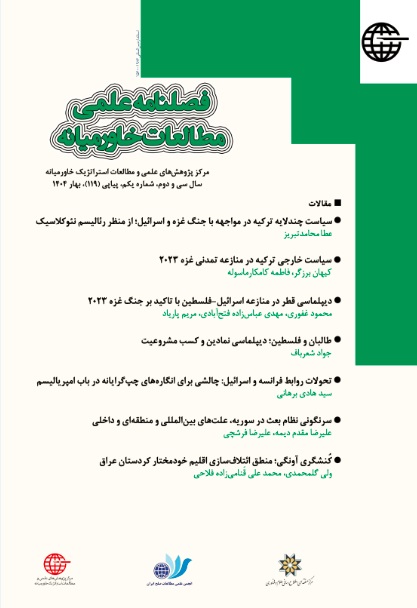
سیاست خارجی ترکیه در منازعه تمدنی غزه 2023

نوع مقاله : مقاله پژوهشی

نویسندگان
1 گروه علوم سیاسی و روابط بین‌الملل، دانشکده حقوق، الهیات و علوم سیاسی، واحد علوم و تحقیقات، دانشگاه آزاد اسلامی، تهران، ایران.
2 گروه علوم سیاسی و روابط بین‌الملل، دانشکده حقوق، الهیات و علوم سیاسی، واحد علوم و تحقیقات، دانشگاه آزاد اسلامی, تهران, ایران.
چکیده
جنگ غزه ۲۰۲۳ را می‌توان یکی از نقاط عطف مهم در بازتولید شکاف‌های تمدنی و شکل‌گیری صف‌بندی‌های تمدنی در نظام بین‌الملل دانست. این بحران نه‌تنها یک منازعه ژئوپلیتیکی، بلکه ‌صحنه‌ای برای بازنمایی تقابل تمدنی میان اسلام و غرب محسوب می‌شود. در این‌میان، ترکیه که طی دهه‌های اخیر دستخوش چرخشی بنیادین در سیاست خارجی خود شده، تلاش کرده است با تأکید بر مؤلفه‌های اسلامی و تاریخی، موقعیت خود را به‌عنوان یک قدرت تمدنی تثبیت کند. پرسش اصلی این پژوهش آن است که سیاست خارجی ترکیه در جنگ غزه ۲۰۲۳ چگونه در چارچوب منازعات تمدنی میان اسلام و غرب بازتعریف شده است؟ این پژوهش با اتکا به چارچوب نظری برخورد تمدن‌ها و روش مطالعه موردی، بر این فرض استوار است که سیاست خارجی ترکیه در قبال این بحران، بیش از آنکه صرفاً برخاسته از ملاحظات ژئوپلیتیکی باشد، بازتاب چرخشی هویتی است که در پی بازتعریف این کشور به‌مثابه بازیگری تمدن‌محور و در تقابل با غرب صورت می‌گیرد؛ چرخشی که بخشی از تلاشی کلان برای تثبیت هویت تمدنی ترکیه و معرفی آن به‌عنوان رهبر جهان اسلام به شمار می‌آید. اما، تضاد میان گفتمان و عمل، فقدان مشروعیت در جهان اسلام و محدودیت ابزارهای مؤثر برای اثرگذاری بر تحولات میدانی، مانع از ایفای این نقش شد. مقاله نتیجه می‌گیرد که ایفای نقش تمدنی در نظم جهانی نیازمند هم‌زمانی سه مؤلفه‌ کلیدی است: انسجام درونی، مشروعیت منطقه‌ای و قدرت نهادی. غیاب این مؤلفه‌ها، سیاست ترکیه را میان جاه‌طلبی تمدنی و محدودیت‌های ژئوپلیتیکی معلق نگاه داشته است.
کلیدواژه‌ها

عنوان مقاله English

Türkiye’s Foreign Policy in the Gaza 2023 Civilizational Conflict

نویسندگان English

Kayhan Barzegar 1
Fatemeh kamkarMasouleh 2
1 Department of Political Science and International Relations, Faculty of Law, Theology and Political Science, Science and Research Branch, Islamic Azad University, Tehran, Iran.
2 Department of Political Science and International Relations, Faculty of Law, Theology and Political Science, Science and Research Branch, Islamic Azad University, Tehran, Iran.
چکیده English

The 2023 Gaza War is a major turning point in the reproduction of civilizational fault lines and the emergence of identity-based alignments in the international system. This crisis was not merely a geopolitical confrontation, rather a stage for the symbolic clash between Islamic and Western civilizations. In this context, Turkey—undergoing a fundamental transformation in its foreign policy over the past decades—sought to consolidate its position as a civilizational power, grounded in Islamic and historical foundations. The core question of this study is, how has Turkey’s foreign policy during the 2023 Gaza War been redefined within the framework of civilizational conflicts between Islam and the West? This article constitutes a case study grounded in the theory of the Clash of Civilizations. The authors argue that Turkey’s response to the Gaza crisis reflects not merely geopolitical or strategic considerations, but an identity-driven transformation, aimed at positioning the country as a representative of the Islamic civilization in opposition to the West. Findings of this article suggest that Turkey’s positions during the conflict cannot be interpreted solely through national interest; rather, they represent a broader effort to consolidate a civilizational identity. Nevertheless, contradictions between rhetoric and practice, the lack of consensus within the Islamic world, and Turkey’s lack of effective instruments to influence developments on the ground limited its effectiveness. The article concludes that civilizational agency in world politics requires the convergence of domestic coherence, regional legitimacy, and institutional capacity—without which, Turkey’s policy remains suspended between aspirational identity and geopolitical constraint.

کلیدواژه‌ها English

Civilizational Conflicts
Civilizational Identity
Tü
rkiye