مطالعات خاورمیانه

مطالعات خاورمیانه

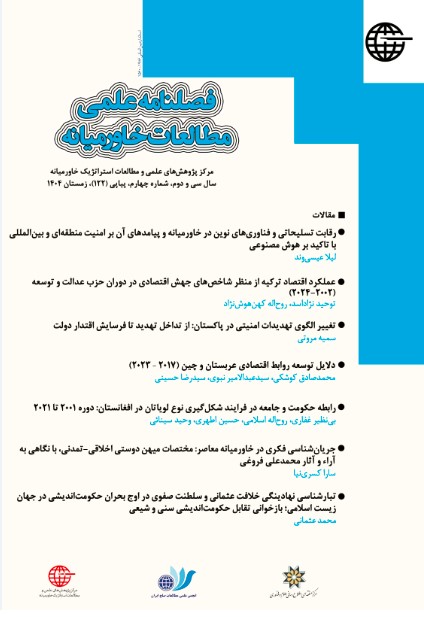
تغییر الگوی تهدیدات امنیتی در پاکستان: از تداخل تهدید تا فرسایش اقتدار دولت

نوع مقاله : مقاله پژوهشی

نویسنده
عضو هیأت علمی پژوهشکده ابرار معاصر تهران، پژوهشگاه مطالعات امنیت و پیشرفت ، تهران، ایران
چکیده
تحولات امنیتی پاکستان در سال‌های اخیر نشان از تغییر بنیادین در الگوی تهدید و فرسایش تدریجی اقتدار دولت مرکزی دارد. هم‌زمانی عملیات گروه‌های تروریستی، تجزیه‌طلب و فراملی در مناطق مرزی و شهری، بیانگر شکل‌گیری نوعی هم‌افزایی ناهمگون میان بازیگران ناهم‌سویه است که با وجود تفاوت ایدئولوژیک، در عمل به تضعیف دولت منجر شده‌اند. پژوهش حاضر با بهره‌گیری از چارچوب نظری «هم‌افزایی فرسایشی ناهمگون» و رویکرد تحلیل کیفی ـ توصیفی، به بررسی سازوکارهای این الگوی نوظهور در پاکستان می‌پردازد. یافته‌ها نشان می‌دهد که شبکه‌های تهدید، از طریق پراکندگی جغرافیایی، هم‌زمانی عملیات و هدف‌گیری زیرساخت‌های حیاتی به‌ویژه پروژه‌های مرتبط با کریدور اقتصادی چین–پاکستان موجب تحمیل هزینه‌های امنیتی، کاهش سرمایه‌گذاری خارجی و افت مشروعیت دولت شده‌اند. بر اساس تحلیل داده‌های میدانی و گزارش‌های رسمی (۲۰۲۳–۲۰۲۵)، این الگو نه‌تنها بیانگر دگرگونی در ماهیت تهدیدات امنیتی پاکستان است، بلکه نشان‌دهنده ظهور معماری جدید ناامنی در جنوب آسیا است که مرز میان تهدید داخلی و رقابت منطقه‌ای را به چالش می‌کشد.
کلیدواژه‌ها

عنوان مقاله English

Shifting Security Threat Patterns in Pakistan: From Overlapping Threats to the Erosion of State Authority

نویسنده English

Somaye Morovati
Abrar Moaser Research Institute, Institute for Security and Development Studies, Tehran, Iran
چکیده English

د:

Recent security developments in Pakistan indicate a fundamental shift in threat patterns and a gradual erosion of central state authority. The simultaneous operations of terrorist, separatist, and transnational groups across border and urban areas reflect the emergence of a heterogeneous erosive synergy among disparate actors, which, despite ideological differences, collectively undermine the state in practice. This study employs the theoretical framework of Heterogeneous Erosive Synergy and a qualitative–descriptive analytical approach to examine the mechanisms of this emerging pattern in Pakistan. The findings show that threat networks, through geographical dispersion, concurrent operations, and targeting of critical infrastructure—particularly projects associated with the China–Pakistan Economic Corridor—have imposed significant security costs, reduced foreign investment, and eroded government legitimacy. Based on field data and official reports (2023–2025), this pattern not only reflects a transformation in the nature of Pakistan’s security threats but also signals the emergence of a new insecurity architecture in South Asia, challenging the distinction between internal threats and regional competition.

کلیدواژه‌ها English

Pakistan
Security Threats
Heterogeneous Synergy